


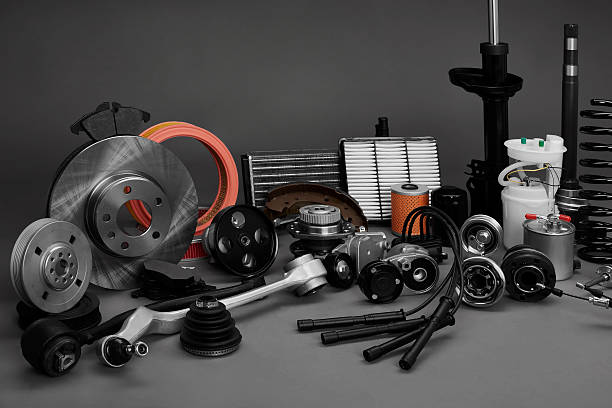
Vietnam auto parts industry remains in focus after Indonesia denied reports that automotive component manufacturers are relocating to Vietnam.
Vietnam Auto Parts Industry in Spotlight as Indonesia Denies Factory Relocation Reports
The Vietnam auto parts industry has drawn renewed attention after the Indonesian government officially denied reports that two automotive component manufacturers were preparing to relocate their production facilities to Vietnam. The clarification comes amid growing competition among Southeast Asian nations to attract automotive investment and strengthen their positions in the global supply chain.
According to Indonesia’s Ministry of Industry, investigations found no evidence that the two companies, identified as JAI and SAI, intend to move their manufacturing operations from Indonesia. Officials emphasized that both companies remain fully operational and continue contributing to Indonesia’s export-oriented automotive sector.
Indonesia Rejects Relocation Claims
Rumors circulating in recent weeks suggested that the two automotive parts manufacturers were considering shifting production to Vietnam. However, Indonesia’s Industry Ministry stated that a government investigation launched on June 21 found no indication of such plans.
Officials confirmed that both factories continue operating in East Java, with JAI located in Pasuruan Regency and SAI based in Mojokerto Regency. The companies have also continued submitting mandatory industrial activity reports through Indonesia’s National Industrial Information System, confirming that their production activities remain active.
For the Vietnam auto parts industry, the reports highlight the country’s growing reputation as an attractive manufacturing destination, even though the alleged relocations have now been dismissed.
Strong Investment Commitment Remains
Indonesia’s government also revealed that JAI and SAI have invested more than Rp 1.9 trillion (approximately US$106 million) in the country’s automotive component sector.
Authorities stated that this level of investment reflects the companies’ long-term commitment to maintaining and expanding operations in Indonesia rather than relocating overseas.
Both manufacturers primarily produce automotive components for export markets, making them important contributors to Indonesia’s manufacturing exports and the broader global automotive supply chain.
Vietnam Continues to Attract Automotive Investment
Although the reported factory relocations have been denied, the Vietnam auto parts industry continues to strengthen its position within Southeast Asia. Vietnam has become an increasingly attractive destination for automotive manufacturing thanks to competitive labor costs, expanding industrial zones, modern infrastructure, and favorable trade agreements.
Major global automakers and suppliers have continued investing in Vietnam over recent years, supporting the country’s ambition to become a regional manufacturing hub for vehicles and automotive components.
Industry experts believe Vietnam’s growing domestic market, improving logistics network, and government support for manufacturing will continue attracting both local and international investors.
Supply Chain Stability Remains a Priority
Indonesian officials acknowledged that the relocation rumors created uncertainty among customers and suppliers, prompting concerns over production schedules and contractual commitments.
To maintain confidence, the government said it will continue monitoring industrial performance and respond quickly to any disruptions affecting manufacturing, supply chains, or market demand.
At the same time, the Vietnam auto parts industry is expected to benefit from the ongoing diversification of global supply chains, as manufacturers seek multiple production bases across Southeast Asia to improve resilience and reduce operational risks.
While Indonesia remains committed to strengthening its manufacturing competitiveness, Vietnam also continues expanding its automotive ecosystem through increased production capacity, supplier development, and investment incentives.
As competition for automotive investment intensifies across the region, both countries are likely to play increasingly important roles in supplying components to global vehicle manufacturers.
For more automotive industry news, vehicle reviews, and the latest market updates, visit VietWheels.
Do you think Vietnam will become Southeast Asia’s leading automotive manufacturing hub? Share your thoughts in the comments below!