


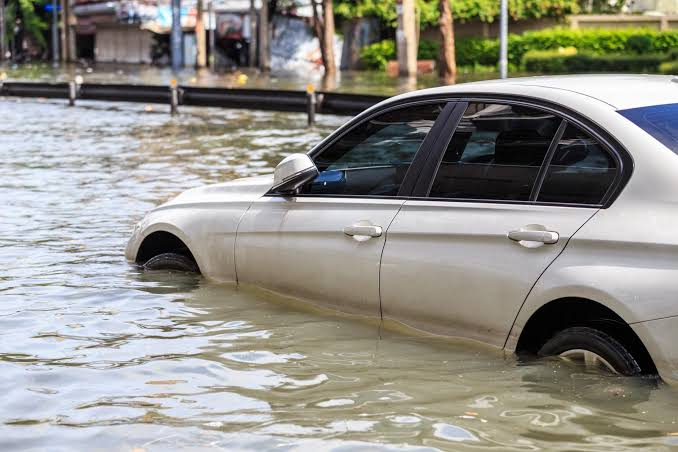
Don’t let monsoon floods destroy your engine. Learn how to prevent hydro-lock and what to do if your car stalls in deep water.
Facing the Monsoon Threat: Understanding Hydro-lock
In many urban areas, heavy rainfall can quickly turn streets into dangerous waterways. For car owners, this creates a significant risk: the dreaded engine hydro-lock. This phenomenon occurs when water is sucked into the engine’s air intake and enters the combustion chamber. Because water—unlike air—cannot be compressed, the pistons are stopped instantly. If you attempt to restart the engine while water is inside, it can cause catastrophic damage, such as bent connecting rods or a cracked engine block, often leading to permanent engine failure and costly repairs.
Recognizing and Preventing the Risk
To protect your vehicle from the severe damage caused by hydro-lock, proactive driving habits and awareness are essential:
- Assess Water Depth: Avoid driving through water that appears deeper than 25cm (typically half the height of your wheels). If other vehicles are struggling or stalled, turn around and find an alternative route.
- Driving Technique: If you must cross shallow water, turn off your air conditioning to prevent damage to the radiator fan and reduce engine load. For automatic vehicles, use a low gear or “manual” mode. Maintain a slow, steady pace to avoid creating a “bow wave”—the surge of water in front of your car that can easily be sucked into the air intake.
- Stay Center: Whenever possible, drive in the middle of the road, which is often the highest point and least susceptible to deep pooling compared to the curbside.
You can find further maintenance tips and advice on handling your vehicle in adverse conditions at VietWheels.
The “Golden Rule” if Your Engine Stalls
If your car suddenly stalls while driving through flooded streets, the most important rule is: Do not attempt to restart the engine. Trying to crank the engine while it is submerged or contains water will force the liquid into the cylinders, triggering hydro-lock and sealing the fate of your engine.
Instead, follow these critical safety steps:
- Turn off the ignition and remove the key to cut all electrical power.
- If the water is rising rapidly and the situation is unsafe, prioritize your life and exit the vehicle to seek higher ground.
- Once you are safe, contact a professional towing service to move the vehicle to a dry location.
Post-Flood Inspections
Even if your car manages to restart, the damage may not be immediately apparent. After navigating a flooded area, pump your brakes lightly on a clear stretch of road to dry out the brake discs. It is also wise to check your air filter for moisture and have a professional mechanic inspect the engine bay and undercarriage for debris or signs of water intrusion to avoid long-term issues related to hydro-lock.
Staying informed and cautious is the most effective way to safeguard your investment. By understanding the mechanics of hydro-lock, you can avoid one of the most expensive and avoidable car disasters during the rainy season.
Have you ever encountered a flooded road that forced you to change your route? Share your experiences and tips for driving safely in the rain in the comments below!