


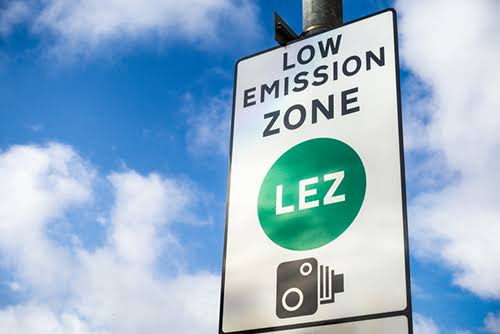
Discover the impact of the Hanoi LEZ pilot in the Hoan Kiem district and how it aims to improve air quality and urban living.
Shaping a Greener Capital: The Hanoi LEZ Pilot
Hanoi is embarking on a transformative journey toward sustainable urban development with the official launch of its Low-Emission Zone (LEZ) pilot in the historic Hoan Kiem district. As the city faces growing challenges regarding air quality and traffic congestion, this initiative represents a bold step forward in prioritizing public health and environmental stewardship. By restricting access to high-polluting vehicles in one of the capital’s most iconic areas, the Hanoi LEZ pilot seeks to create a cleaner, quieter, and more pedestrian-friendly environment for residents and tourists alike.
Objectives and Scope of the Initiative
The primary goal of this pilot program is to drastically reduce the concentration of fine particulate matter and nitrogen dioxide in the heart of the city. Hoan Kiem, with its dense concentration of cultural landmarks and commercial activity, serves as the perfect testing ground for these stringent measures. The Hanoi LEZ pilot specifically targets older, more polluting motorcycles and heavy-duty vehicles that have historically contributed to the district’s degraded air quality.
Through this program, the municipal government aims to demonstrate that restricting motorized access in historical zones can coexist with vibrant economic activity. For those looking to understand how these shifting regulations might impact vehicle choices and urban travel, resources such as VietWheels provide excellent insights into the evolving automotive landscape in Vietnam.
Challenges and Community Integration
Implementing the Hanoi LEZ pilot is not without its obstacles. The city must balance the urgent need for environmental reform with the daily mobility needs of a population heavily reliant on two-wheeled transport. Effective enforcement and the provision of adequate public transit alternatives are critical components of the program’s success.
Monitoring Progress
Data collection is central to the project. Sensors installed throughout Hoan Kiem will track air quality metrics in real-time, allowing officials to adjust policies as necessary. The Hanoi LEZ pilot is intended to serve as a scalable model; if successful, authorities plan to expand similar zones to other districts, effectively reshaping the capital’s urban structure.
Public Awareness and Compliance
Education is key to community compliance. The government has initiated extensive outreach programs to inform business owners and commuters about the benefits of the Hanoi LEZ pilot. By highlighting improvements in public health and the preservation of historical architecture, officials hope to build consensus. As the city learns from this initial phase, the Hanoi LEZ pilot stands as a testament to Hanoi’s commitment to evolving into a modern, breathable, and sustainable metropolis.
The success of these measures will ultimately be measured by the lived experience of Hanoians. As the city breathes a little easier, the lessons learned from the Hoan Kiem experiment will undoubtedly guide Vietnam’s broader transition toward green urban mobility.
How do you think the Hanoi LEZ pilot will change your daily commute, or do you believe it is the right step for the city’s future? Share your thoughts and predictions in the comments below!